AFC: Rethinking Bankability, Risk and Capital for Africa's Infrastructure Future

In this episode of Uxolo: In-Depth With, recorded live from Prague, Jessica Brown speaks with Ato Gyasi of the Africa Finance Corporation (AFC) about mobilising private capital into African infrastructure, closing the continent's power gap, and building an ecosystem — not just a pipeline of projects.
Africa Finance Corporation (AFC)
Africa Finance Corporation is making the case for pragmatic infrastructure investment - pairing renewables with baseload power, treating individual projects as parts of wider systems, and unlocking the trillions in African savings still sitting on the sidelines. This conversation, recorded live in Prague, explores bankability, blended finance, risk perception and the road to industrialization.
Now approaching its 20th year, AFC is a pan-African infrastructure investor with an unbroken record of profitability and dividends since inception, and investment-grade ratings from both Moody's and Fitch. Active across energy, transport and industrial infrastructure, AFC positions itself as living proof that African infrastructure, structured well, is not the high-risk asset class it's often assumed to be.
Key themes
Where the financing gaps really sit
Three persistent gaps stand out:
- Last-mile infrastructure: distribution, feeder roads, water and waste systems are chronically underfinanced because generation-type assets are easier to structure and finance, even though last-mile impact is where the greatest need lies.
- Smaller, fragile markets: capital concentrates in Africa's 10–15 largest economies; AFC points to its financing of a gold mine in Sierra Leone as an example of impact reaching beyond the "easy" markets, through the roads, power and housing it brings with it.
- Industrialization: moving up the value chain is framed as central to both economic progress and reducing outward migration pressure.
Power now, sustainably where possible
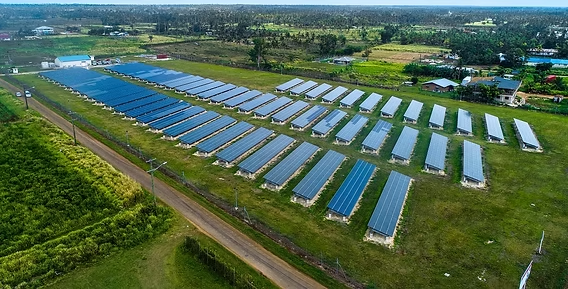
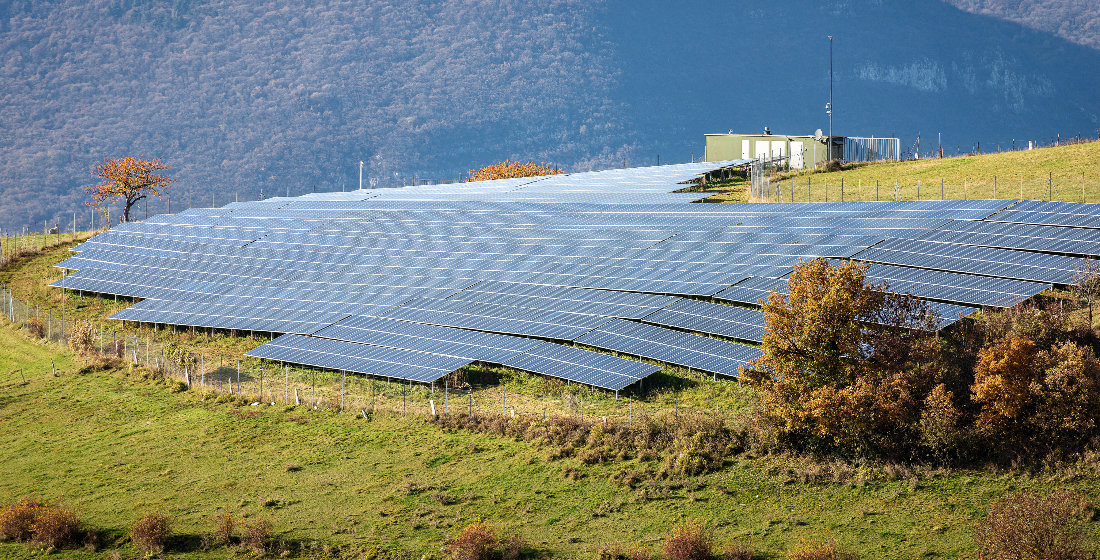
With roughly 600 million Africans still without electricity, many relying on firewood, AFC argues the priority is solving the access problem first, sustainable or not, while remaining a major backer of renewables (its Infinity platform generates close to 3,000MW). The view: Africa needs baseload power alongside renewables, not a renewables-only mandate imposed by capital that already enjoys reliable power elsewhere.
From single projects to bankable systems
Rather than assessing bankability project-by-project, AFC argues for a systems view: a mine needs power, a road to port, and a route to market. Viewed in isolation, a mine or a power plant may struggle to raise finance; viewed as one integrated system, the economics shift substantially. ARISE - AFC's industrial and logistics platform operating across four countries, is cited as proof of concept, culminating in a $700 million partial equity exit alongside Vision Invest from Saudi Arabia.
Correcting the risk narrative
Default-rate data shows Africa is safer than perceived — only Western Europe scores lower. AFC treats itself as a live case study of this: investment-grade ratings, consistent profitability, and a strong project-development track record (including Africa's first commercial wind farm in Cabo Verde and Ghana's first large-scale power plant). Consistent government policy is flagged as the other half of the bankability equation - capital follows a track record, not a one-off announcement.
Getting blended finance instruments right
Progress has moved from DFI tranches "bolted on" to commercial deals, toward deliberately designed complementary instruments - guarantees, first-loss structures, and vehicles like AFC's $750 million Infrastructure Climate Resilient Fund (developed with the GCF, DBSA and EIB). The next step isn't more innovation so much as standardising these structures to bring down transaction costs, alongside a call for wealthier nations to follow through on climate-finance commitments as ODA continues to decline.
Unlocking Africa's own capital
AFC estimates roughly $4 trillion in African capital - split between banking and non-banking sectors - sitting largely in savings rather than flowing into infrastructure, more than the continent has received in external financing over the past decade combined. Regulatory constraints and data gaps are the two barriers AFC is focused on closing, alongside vehicles like InfraCredit, which has already enabled dozens of transactions and mobilised significant local financing in Nigeria.
Regional integration and industrialization
Africa's fragmented, country-by-country market structure limits scale even in its larger economies. AFC ties its systems-based approach directly to the African Continental Free Trade Area agenda, arguing integration is what allows infrastructure investment to be absorbed at the scale the continent needs.
Shifting sentiment
Notable shifts discussed: growing (if early) momentum behind mobilising African capital rather than relying solely on external capital; rising interest in critical minerals and corridors like Lobito, with a clear intent to avoid repeating the cocoa industry's pattern of value capture happening elsewhere; and a continued pivot of capital sources toward the Middle East, alongside some pullback from traditional Western investors.
Episode takeaway
Africa's infrastructure challenge isn't a shortage of capital — trillions already sit in African savings. It's a shortage of bankable systems, standardised instruments, and consistent policy that lets that capital, and outside capital, actually flow.
AFC's model suggests that when infrastructure is:
- Viewed as an integrated system rather than a single project
- Backed by consistent government policy
- Supported by right-sized blended finance instruments
- Connected to Africa's own pool of trapped capital
…it stops looking "high risk" and starts looking investable at scale.